

About
Built for the work, not the pitch
Clausebeam is a Washington DC-based team that came to contract AI from the legal side, not the AI side.
Origin
Why we built this
"We built Clausebeam because we've seen junior associates spend three weeks reading a deal room before the partners could even start their analysis. That bottleneck isn't skill, it's scale."
The problem is not that attorneys cannot read contracts. The problem is that no attorney can read forty-seven contracts in a single deal room before the weekend partner call. The first-pass diligence falls to the most junior associate in the room, and the senior attorneys reviewing that work are reviewing a read that could have been done in hours, not days.
Clausebeam is the analysis layer that precedes the attorney. It reads clause-by-clause for the specific language patterns that generate negotiation friction: indemnification that is too broad, liability caps that are below market, termination rights that run one way. The flagged memo goes to the attorney. They begin where they add value.
We are not a document management system, a CLM, or a legal chatbot. We do one thing: read each clause in a commercial agreement, compare it to market-norm language for that agreement type, and flag the deviations that carry real risk. That scope is intentional.
Catherine Liu, CEO & Co-Founder
Team
The people behind the analysis

Corporate attorney by training, NLP practitioner by necessity. Spent her early career in M&A practice in Washington DC, watching deal rooms arrive faster than first-pass reads could keep up. Founded Clausebeam in 2024 to solve the bottleneck she had worked around for years.

NLP researcher with a specialization in legal document structure and clause boundary detection. Before co-founding Clausebeam, built document classification and clause extraction systems for contract analytics tooling. The clause detection model is his work.
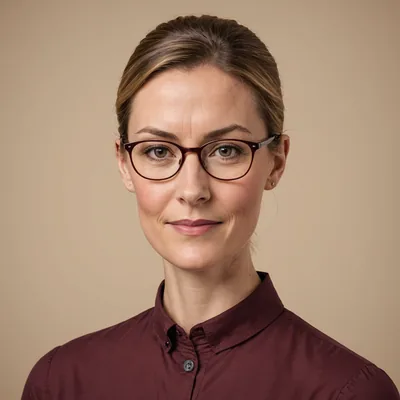
Former in-house counsel at a financial services firm, then legal ops lead at a growing technology company. Shapes Clausebeam's clause coverage decisions and flag logic, drawing on years of deciding which contract provisions actually required attorney time and which did not.
Principles
How we think about the problem
Three decisions we made early that govern what Clausebeam does and what it deliberately does not do.
Location
Washington, DC
1875 K Street NW, the legal district. We are a five-minute walk from the firms whose workflows we are trying to improve.
Building in Washington DC is a deliberate choice. This city is where federal contracting, regulatory practice, and M&A diligence run at high volume. The clause patterns in our detection model reflect the deal types that move through K Street law offices every week. We talk to the attorneys using this tool, and that proximity makes the product better.
Washington, DC 20006